
Book Free Trial
Complete your registration form
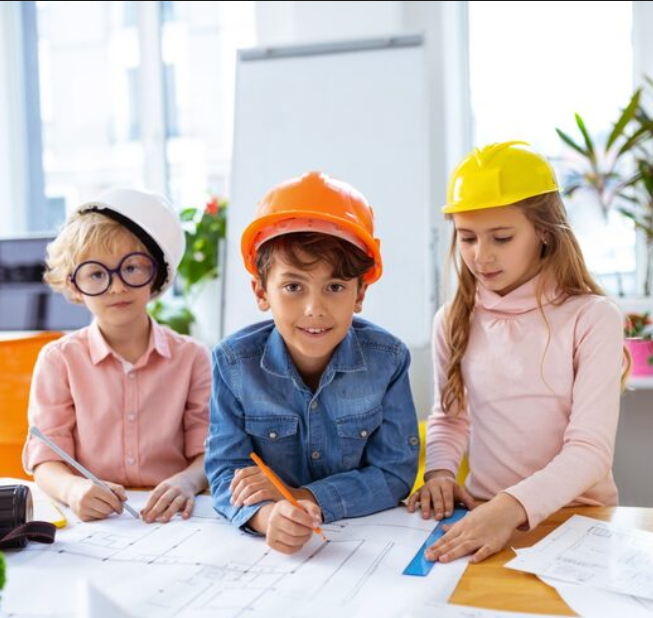
Building Future Innovators and Creative Thinkers

At HiAcademy Architecture, our mission is to empower futures, one design at a time. We believe that architectural thinking is not just for future architects, but a fundamental skill that unlocks spatial intelligence, creative problem-solving, and environmental awareness for every child.
Our Architecture Program is designed to transform the way students perceive and interact with their built environment, moving them from observers to creators, and from ideas to tangible structures.
We envision a future where every HiAcademy student doesn't just see buildings—they understand spaces, imagine sustainable solutions, and create environments that enhance human experience. We don't just teach drawing; we nurture spatial thinkers equipped to shape the world of tomorrow.
We go beyond traditional art education to cultivate a deep understanding of space, form, and function. At HiAcademy Architecture, we focus on building:
We teach students to think in three dimensions, understanding scale, proportion, and spatial relationships.
Students learn to design solutions that balance aesthetics, function, and sustainability.
We build proficiency with architectural tools, from hand sketching to 3D modeling software.
Students develop an understanding of sustainable design, materials, and environmental impact.
Project-Based Design Learning
HiAcademy's Architecture Program is built on the design studio methodology used in top architecture schools worldwide, ensuring students learn through doing and develop both creative and technical skills.
Physical model construction helps students understand spatial relationships and construction principles.
Progressive introduction to architectural software and digital presentation techniques.
Our program is divided into progressive levels, each designed to meet the developmental and creative needs of young architects.
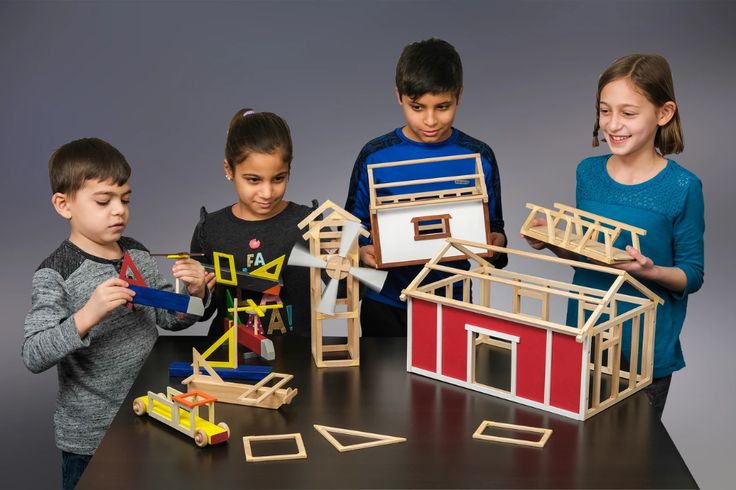
Discovering space and form through play and exploration.
Young builders embark on their architectural journey through hands-on activities with blocks, LEGO, and simple model-making. They learn basic spatial concepts, explore different building types, and develop an understanding of scale and proportion thr...
Key: Basic shapes & forms, understanding scale, simple structures, color & texture in architecture.
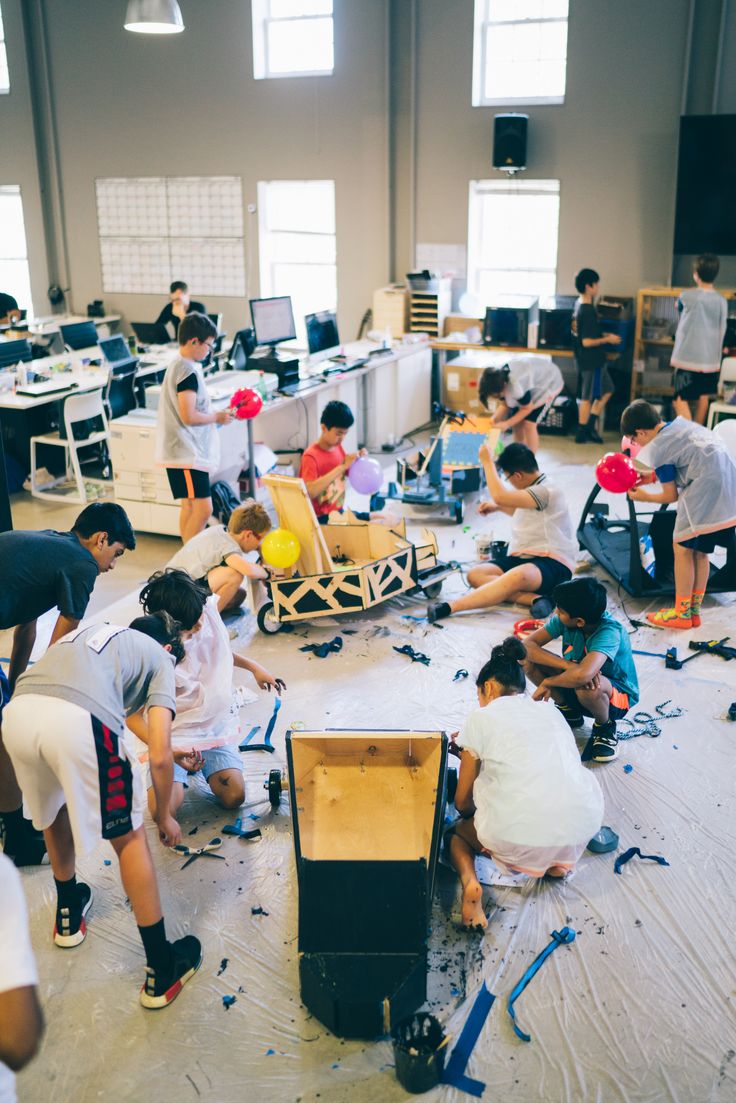
Mastering fundamental design principles and technical skills.
Students become design explorers, learning architectural drawing techniques, perspective drawing, and basic model-making skills. They explore different architectural styles, understand structural principles, and begin simple digital modeling.
Key: Architectural drawing, perspective, basic model-making, introduction to architectural styles, simple structures.
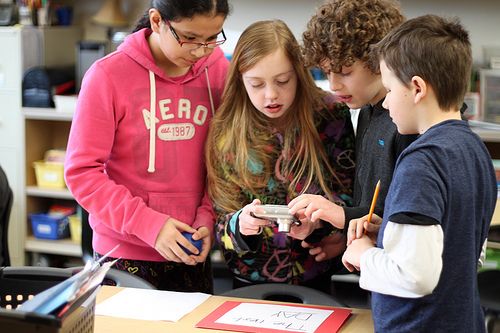
Tackling complex design challenges and sustainable solutions.
This is where our students become urban innovators. They learn to design complex buildings, understand urban planning concepts, and incorporate sustainable design principles. The curriculum covers advanced modeling techniques, digital presentation sk...
Key: Sustainable design, urban planning, advanced 3D modeling, structural systems, environmental considerations.

Portfolio development and mastering professional architectural practice.
Our future architects are ready to tackle professional-level projects and build impressive portfolios. This level focuses on developing individual design philosophy, mastering advanced software, and understanding architectural theory, providing a str...
Key: Portfolio development, advanced digital tools, architectural theory, professional practice, specialized design projects.
Our educators are practicing architects and designers who bring real-world experience and passion for teaching.
Students work in a creative studio environment that mimics real architectural practice.
Every student builds an impressive portfolio of work for school applications and future studies.
From sketching to 3D printing, students experience the full spectrum of architectural creation.
The design thinking, spatial intelligence, and technical skills developed are valuable across multiple disciplines and careers.
Find the perfect level for your child and transform their curiosity about buildings into a passion for creating spaces.
Our design assessment will help place your child in the right level and identify their creative strengths. Let us create a personalized learning pathway to unlock their potential in architecture and design!
Take our free diagnostic test to determine your current level
Receive a customized learning pathway based on your goals
Begin your journey with expert instructors and proven methods
Free Trial is not available yet for this program. Please stay tuned for upcoming enrollment and trial sessions.